Boxer briefs
 Trunks
 Briefs
 Sports boxers
 Loose fit boxers
 Multipacks


 Undershirts
 Longsleeves
 Tank tops
 Anti Perspiration T-shirts


 Dress socks
 Sneaker Socks
 Footies


 Underwear packs
 T-shirt packs
 Polo Packs
 Swim Trunks Packs
 Socks packs
 Boxer briefs packs
 Trunk packs
 Briefs packs
 Loose Fit Boxers Packs


 Briefs
 Bikini knickers
 Thongs
 Hipsters


 Tank tops
 Bralettes
 Camisoles


Is bamboo clothing dangerous? This is what you need to know about bamboo textiles
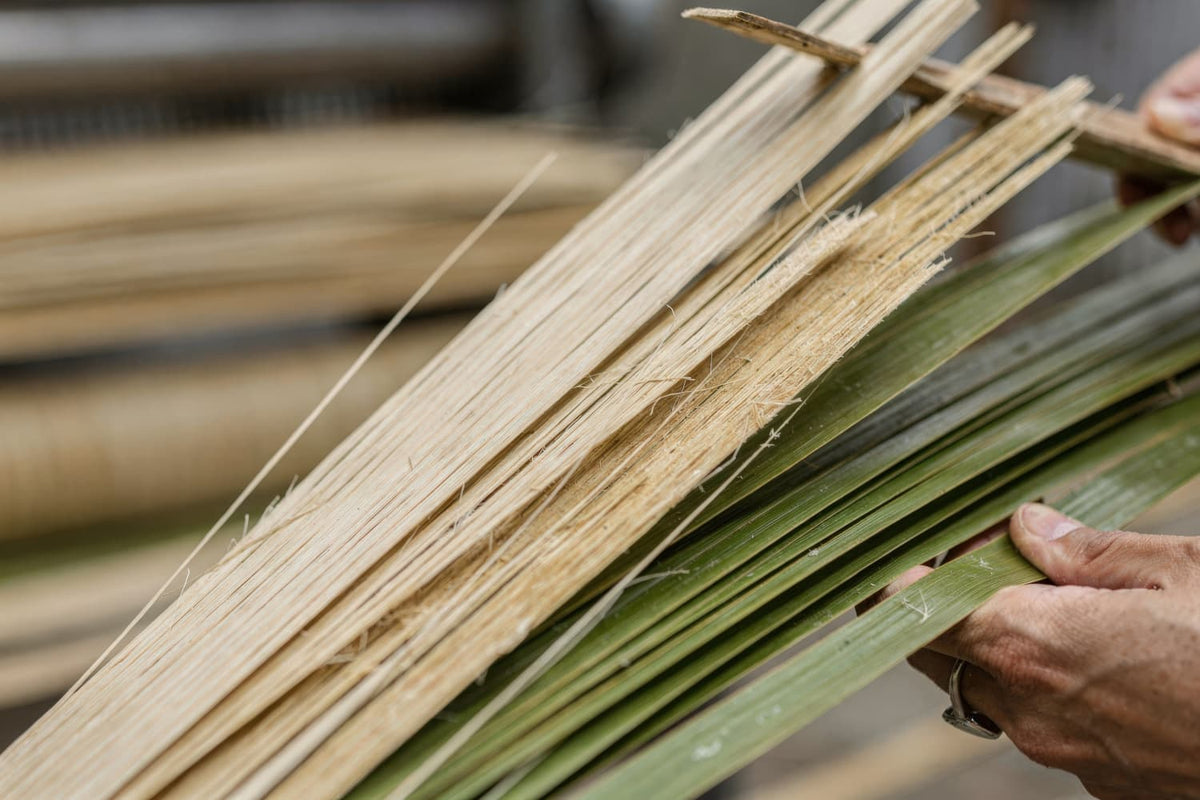
Bamboo clothing has built up an almost perfect reputation in recent years. It is said to be sustainable, antibacterial, exceptionally soft and better for the environment than cotton. Bamboo underwear, socks and T-shirts in particular are often presented as the “green” choice.
But how sustainable and safe is bamboo clothing really?
Anyone who takes a closer look at the production process quickly discovers that the reality is far more complex. The question “is bamboo clothing dangerous?” is not really about wearing the fabric itself, but rather about the way bamboo textiles are produced.
In this blog, we take a closer look at the facts behind bamboo clothing, discuss the disadvantages of bamboo clothing and explain why modern alternatives such as TENCEL™ are increasingly seen as the better option.
Why bamboo clothing became so popular
On paper, bamboo sounds like the ideal material. The plant grows incredibly quickly, requires very little water and usually no pesticides at all. This helped create the image of bamboo as an environmentally friendly raw material for clothing.
In addition, bamboo fabric feels exceptionally soft. Many brands even compare the comfort to silk or cashmere. That explains why bamboo underwear and T-shirts have become so popular.
But this is also where the biggest misconception begins: bamboo as a plant is sustainable, but bamboo clothing is not automatically sustainable.
Is bamboo clothing dangerous?
The short answer: the clothing itself is usually not dangerous to wear. The real issue lies in the production of bamboo textiles. Most bamboo clothing on the market is not made from “pure bamboo fibres”, but from bamboo viscose or rayon. During this process, hard bamboo stalks are chemically dissolved into a pulp that is eventually turned into fibres.
This process uses chemicals such as sodium hydroxide and carbon disulphide. Carbon disulphide in particular is known to be harmful to both people and the environment when not handled safely.
According to research and reports from organisations such as the Dutch Consumer Product Inspectorate, these chemicals are not always processed safely in certain factories, creating risks for workers, water quality and nature.
That does not mean your bamboo shirt is directly harmful to wear, but it does mean the production process may have a far greater environmental impact than many brands suggest.
Bamboo clothing is rarely dangerous to wear, but the manufacturing process behind it is complex and not always very clean. As a designer, I want to know what’s in a fibre and how it’s made. That’s why we work with TENCEL™, which has a closed-loop, controllable manufacturing process.
The disadvantages of bamboo clothing
When we look at the disadvantages of bamboo clothing, a more nuanced picture emerges than marketing often suggests. One of the biggest drawbacks is the chemical production process. The soft fabric that eventually remains has very little to do with the original bamboo plant. The end product is essentially a form of viscose.
In addition, many claims surrounding bamboo clothing are exaggerated or misleading. Antibacterial properties, for example, are often highlighted, while experts state that many of these properties are largely lost during the chemical processing stage.
Sustainability is also less black and white than many people believe. Although the bamboo plant itself grows in an environmentally friendly way, the intensive production process makes the final fabric less green than consumers are often led to expect.
That is exactly why bamboo is frequently mentioned in discussions about greenwashing within the fashion industry.
Why bamboo is often marketed as sustainable
The power of bamboo lies largely in marketing. Its association with nature, rapid growth and “green” characteristics makes it highly attractive for brands to position it as a sustainable alternative.
But sustainability is not only about the raw material. It is about the entire chain:
- production
- chemicals
- water consumption
- energy usage
- lifespan
- recyclability
And that is exactly where the gap between marketing and reality appears. Even certifications do not always provide a full guarantee. Research shows that some factories still discharge harmful substances into the environment despite holding certifications.
Is all bamboo clothing bad?
No, certainly not. There are also manufacturers that use closed-loop production systems in which chemicals are reused and prevented from entering the environment. This so-called “closed loop” system makes production significantly safer and more sustainable.
There are also mechanical methods in which bamboo fibres are processed naturally. This method is more environmentally friendly, but it is rarely used because the process is expensive and labour-intensive.
The main problem is that consumers often have no idea which method has been used.
The alternative: TENCEL™ and modern fibres
Precisely because of the discussion surrounding bamboo, more and more brands and consumers are turning to alternatives such as TENCEL™.
TENCEL™ is made from wood pulp sourced from sustainably managed forests and produced through a controlled closed-loop process in which water and solvents are largely reused.
The key difference lies in transparency and control.
In addition, TENCEL™ offers many of the benefits people originally looked for in bamboo:
- exceptional softness
- excellent breathability
- strong moisture regulation
- superior comfort
But with a production process that is more manageable and demonstrably more sustainable.


Why Undiemeister chooses Mellowood
At Undiemeister, we believe comfort and sustainability should go hand in hand. That is why we consciously choose Mellowood: a combination of TENCEL™, organic cotton and elastane.
With this blend, we combine:
- the softness of modern fibres
- the breathable qualities of natural materials
- long-lasting quality
- a lower environmental impact
The result is underwear that not only feels incredibly comfortable, but is also a more conscious choice.
Look beyond the marketing
So, is bamboo clothing dangerous? Not directly for the wearer, but the story behind its production is far less green than many brands would have you believe.
Perhaps the biggest lesson is that sustainability is more complex than a single “green” raw material. It is about the entire production process, transparency and the choices brands make.
And that is exactly why more and more people are consciously choosing modern alternatives such as TENCEL™ and Mellowood: materials that combine comfort with a more honest and sustainable story.
Frequently asked questions
Is bamboo clothing dangerous to wear?
What are the disadvantages of bamboo clothing?
Why is bamboo clothing considered sustainable?
What is better than bamboo clothing?
Can't find your question?
Available now · weekdays 08:30–17:00