Boxer briefs
 Trunks
 Briefs
 Sports boxers
 Loose fit boxers
 Multipacks


 Undershirts
 Longsleeves
 Tank tops
 Anti Perspiration T-shirts


 Dress socks
 Sneaker Socks
 Footies


 Underwear packs
 T-shirt packs
 Polo Packs
 Swim Trunks Packs
 Socks packs
 Boxer briefs packs
 Trunk packs
 Briefs packs
 Loose Fit Boxers Packs


 Briefs
 Bikini knickers
 Thongs
 Hipsters


 Tank tops
 Bralettes
 Camisoles


Viscose fabric for underwear: pros and cons
When looking for comfortable underwear, you will quickly come across a range of different materials. Cotton, polyester, Modal and, increasingly, viscose. Viscose is known for its soft and smooth feel, but it also has properties that may be less suitable for underwear. What exactly is viscose, what is it made from, and how does it perform when it comes to breathability, sweating and sustainability? It's time to take a closer look at viscose.
What is viscose?
Viscose is a textile fibre made from cellulose, a natural raw material usually derived from wood. This cellulose is chemically processed and dissolved before being turned into new fibres. This means that viscose sits somewhere between natural and synthetic fabrics and is therefore also known as a semi-synthetic fibre.
These fibres are used to create a soft and smooth fabric that can be found in all kinds of textiles. Think dresses, bedding and shirts, as well as underwear. Thanks to its soft feel and smooth texture, viscose is particularly popular for clothing worn directly against the skin.
Advantages of viscose underwear
Softness is perhaps the best-known characteristic of viscose, but the fabric offers several other advantages when used for underwear:
- Soft and smooth: the smooth fibres feel comfortable against the skin.
- Breathable: viscose is relatively breathable and can therefore feel comfortable in warmer temperatures.
- Moisture absorbent: the fabric can absorb moisture, helping to prevent sweat from remaining on the skin.
- Comfortable and flexible: viscose drapes easily around the body and generally does not feel stiff.
- Vibrant colours: because viscose absorbs dyes well, colours can retain a rich and vibrant appearance.
Disadvantages of viscose underwear
Although viscose feels comfortable, the fabric also has several properties that can be less suitable for underwear that is worn frequently and washed regularly:
- Weaker when wet: viscose loses strength when its fibres become wet, making the underwear more vulnerable during washing.
-
Prone to shrinkage: washing at temperatures that are too high or drying incorrectly can cause viscose to shrink easily.
- Less shape-retentive: viscose can lose its original shape over time, particularly when the fabric is frequently washed and worn.
- Not naturally elastic: viscose fibres have little natural elasticity, which means elastane almost always needs to be added to create stretchy clothing.
- Creases relatively easily: the fabric is prone to creasing and therefore requires a little more care.
- Not inherently sustainable: although the raw material is of natural origin, producing viscose requires chemical processes that can have an impact on the environment.
How to care for viscose underwear
The delicate properties of viscose mean it requires a little extra care. The fibres are particularly vulnerable when wet, which can make the fabric more susceptible to shrinking or losing its shape. The right way to wash underwear, as well as dry and iron it, is therefore important if you want to keep viscose in good condition for as long as possible.
Viscose may seem natural because it comes from wood, but it is a chemically processed fibre that quickly loses strength when wet. After years of working with bamboo and viscose, I know that feeling soft isn’t enough. A fabric also needs to retain its shape after dozens of washes. That’s why we chose TENCEL™ Modal.
Washing viscose
When washing viscose, the main rule is to avoid excessive heat and intensive washing cycles. Ideally, choose a delicate wash cycle at 30 degrees and use a low spin speed. You should also use a mild detergent and avoid harsh bleaching agents. This reduces stress on the wet fibres and lowers the risk of the underwear shrinking, losing its shape or becoming damaged.
Drying viscose
After washing, viscose is best left to air dry naturally. The heat from a tumble dryer increases the risk of shrinkage and can affect the fit. Do not wring out wet viscose; instead, allow excess water to drain gently from the fabric. Carefully reshape the garment before leaving it to dry.
Ironing viscose
Because viscose is prone to creasing, you may need to iron the fabric after drying. Do this carefully and set the iron to a low temperature. Ideally, iron the fabric inside out and avoid leaving the iron in the same place for too long. Always check the care label for the recommended temperature.
Is viscose sustainable?
Viscose has both more and less sustainable characteristics. The cellulose used to make viscose generally comes from wood, making it a renewable raw material. However, converting this cellulose into viscose fibres requires chemical processing. The environmental impact of this process can vary considerably depending on the manufacturer and production method.
That is why it is important to look beyond the name of the fibre itself. The origin of the wood, the management of chemicals and water during production, and the lifespan of the fabric all help determine how sustainable a material really is. There are also other cellulose fibres and production processes that place greater emphasis on these factors.



Alternative fabrics for underwear
The ideal fabric for underwear needs to offer more than just softness. Breathability, moisture management, elasticity, shape retention and lifespan all play an important role. This is why different fibres are often combined to bring together their strongest properties while reducing their weaker points.
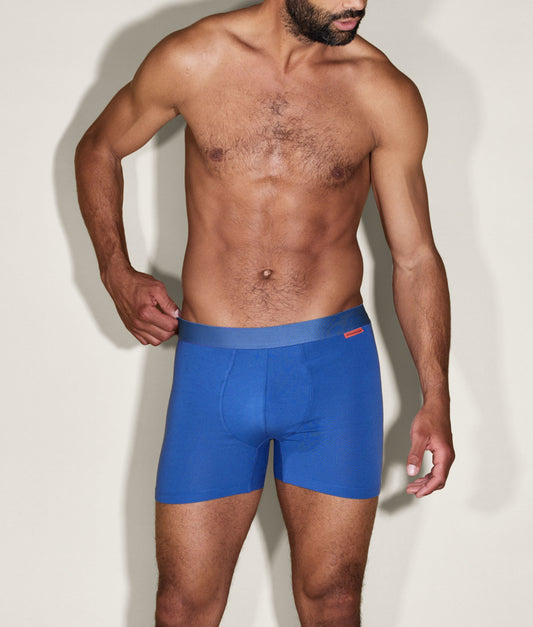
This is also the principle behind Mellowood, the patented fabric used by Undiemeister. Mellowood consists of TENCEL™ Modal, organic cotton and elastane. TENCEL™ Modal provides a soft and smooth feel, organic cotton gives the fabric additional strength, and elastane contributes to elasticity and shape retention. The result is a material developed around the properties that matter most when it comes to underwear.
Frequently asked questions
Is viscose a natural fabric?
What is the difference between viscose and polyester?
What is viscose made from?
Is viscose breathable?
Can't find your question?
Available now · weekdays 08:30–17:00