Boxer briefs
 Trunks
 Briefs
 Sports boxers
 Loose fit boxers
 Multipacks


 Undershirts
 Longsleeves
 Tank tops
 Anti Perspiration T-shirts


 Dress socks
 Sneaker Socks
 Footies


 Underwear packs
 T-shirt packs
 Polo Packs
 Swim Trunks Packs
 Socks packs
 Boxer briefs packs
 Trunk packs
 Briefs packs
 Loose Fit Boxers Packs


 Briefs
 Bikini knickers
 Thongs
 Hipsters


 Tank tops
 Bralettes
 Camisoles


What is TENCEL™ Modal by Lenzing?
What is TENCEL™ Modal by Lenzing?
In the world of sustainable fashion, one material appears increasingly often: TENCEL™ Modal. Many websites use the word “TENCEL™” as if it automatically means sustainable. But what does it actually mean? Who is behind it? And why does it matter whether you buy authentic TENCEL™ Modal or a cheaper alternative?
At Undiemeister, we believe that sustainability begins with understanding. That is why we explain not only what TENCEL™ Modal is, but also who produces it, how it is manufactured and why it differs fundamentally from other viscose-like fabrics on the market.
What does TENCEL™ Modal actually mean?
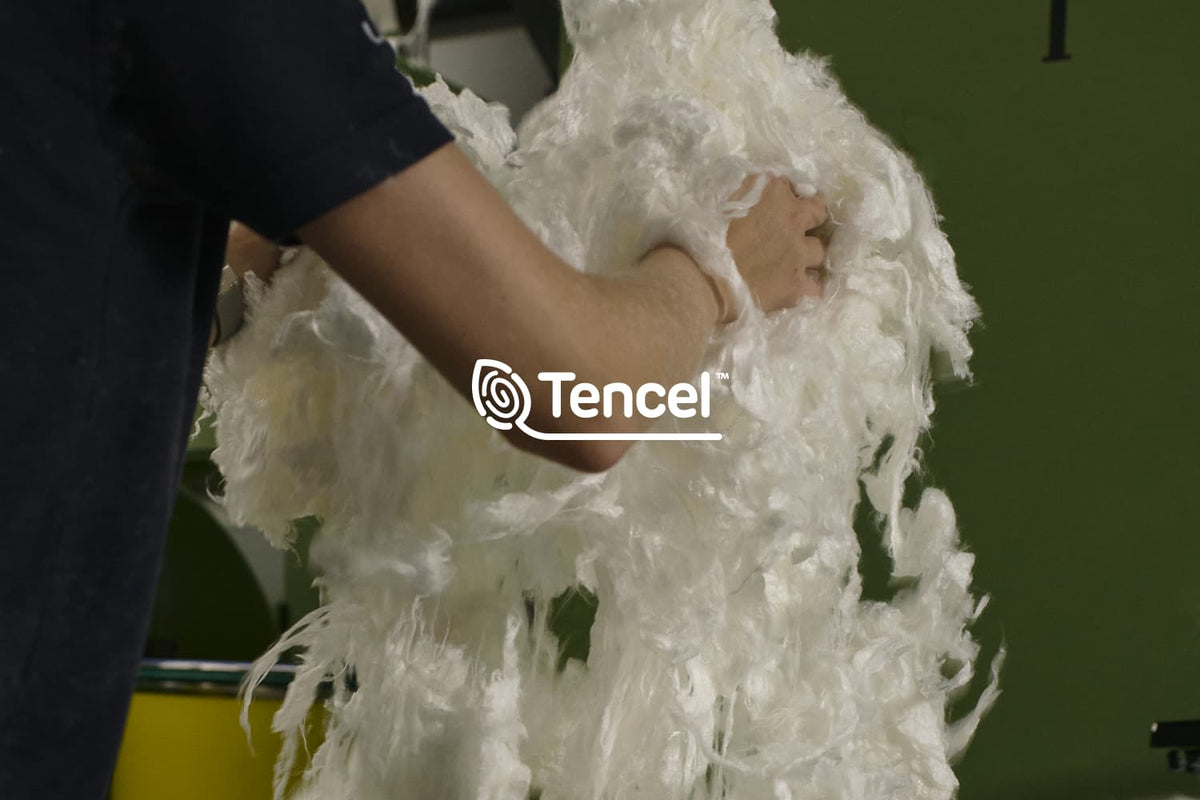
TENCEL™ Modal is a brand name for a type of fibre belonging to the family of cellulose fibres. Textile fibres made from natural, renewable raw materials. In the case of TENCEL™ Modal, the raw material is wood pulp.
What makes TENCEL™ Modal distinctive is not only its soft touch, but the combination of environmental performance, wearing comfort and performance in use that sets this fibre apart from traditional materials such as standard cotton or conventional viscose.
To truly understand what makes TENCEL™ Modal unique, we need to look at who produces it and how.
Lenzing: The Austrian pioneer behind TENCEL™
Behind the TENCEL™ brand stands the Austrian company Lenzing AG. This is not an anonymous chemical manufacturer or mass-production factory, but a global leader in sustainable fibre production that has been innovating for decades at the intersection of materials, environmental responsibility and renewable resources.
Lenzing is headquartered in Austria and produces its fibres in controlled facilities that comply with strict environmental and safety standards. The company continuously invests in cleaner processes and the recovery and reuse of energy and chemicals, aiming to structurally reduce the environmental impact of textile production.
This creates a significant difference compared to many other viscose-like materials produced without the same controls, certifications or environmental accountability.
Not everything that sounds like TENCEL is TENCEL™ Modal. The real thing comes from Lenzing, from certified forests and a closed-loop process, and is traceable. As a designer, I prefer to work with fibres whose origin I can explain, because then you know what you’re wearing against your skin.
Sustainable forest management: The origin of TENCEL™ Modal
The basis of TENCEL™ Modal is wood pulp – but not just any wood. Lenzing sources its raw materials from sustainably managed forests. In practical terms, this means that:
- Forests are replanted after harvesting
- Biodiversity is protected
- Local ecosystems and communities are respected
- Full traceability exists back to the source
These sustainable forestry practices form part of international certification systems such as FSC® (Forest Stewardship Council) and PEFC (Programme for the Endorsement of Forest Certification).
When you wear authentic TENCEL™ Modal, you can trust that the raw materials originate from forests that are managed responsibly and for the long term.
The production process: Cleaner, more efficient and circular
The process of producing TENCEL™ Modal is not a secret formula, but a carefully controlled method in which wood pulp is transformed into fibre via a cellulose solution.
What makes TENCEL™ Modal distinctive is that the process is closed-loop: solvents are largely recovered and reused rather than being released into the environment. This not only reduces environmental impact, but also makes the process significantly more efficient and less polluting than many alternatives.
As a result, TENCEL™ Modal is not only softer and stronger, but also more environmentally responsible in production.


Every production batch comes with a certificate
A key element of Lenzing’s philosophy is traceability. Each batch of TENCEL™ Modal is supported by official certificates documenting the origin of the raw materials, the production process and compliance with environmental and social standards.
This means you do not have to rely on vague marketing claims: you can genuinely verify where the fibre comes from, how it was produced and under which conditions.
This certification system is an essential safeguard against greenwashing.
Beware of imitation TENCEL™
In practice, fabrics are increasingly marketed as “TENCEL-like” or simply “modal” without clearly stating the origin of the fibre.
The risk is that:
- Raw materials may not come from sustainably managed forests
- Production may not meet proper environmental standards
- No traceability or certification exists
- The environmental impact may be significantly higher
The difference between authentic TENCEL™ Modal by Lenzing and a generic viscose alternative is therefore not just a logo on a label, but real control over origin and production.
TENCEL™ Modal in practice: What you experience
In daily wear, you notice the quality of TENCEL™ Modal through its naturally soft sheen, effective moisture management and its ability to retain shape and appearance longer than many alternatives.
At Undiemeister, we have deliberately chosen to incorporate TENCEL™ Modal into our fabrics, not because it sounds good, but because it genuinely feels better, lasts longer and reduces overall environmental impact.
Why material transparency matters
When you take sustainable fashion seriously, it requires more than a single claim on a product page. It requires insight into origin, production and the product’s entire lifespan.