Boxer briefs
 Trunks
 Briefs
 Sports boxers
 Loose fit boxers
 Multipacks


 Undershirts
 Longsleeves
 Tank tops
 Anti Perspiration T-shirts


 Dress socks
 Sneaker Socks
 Footies


 Underwear packs
 T-shirt packs
 Polo Packs
 Swim Trunks Packs
 Socks packs
 Boxer briefs packs
 Trunk packs
 Briefs packs
 Loose Fit Boxers Packs


 Briefs
 Bikini knickers
 Thongs
 Hipsters


 Tank tops
 Bralettes
 Camisoles


What is TENCEL™ and why it is a more sustainable alternative to cotton and bamboo
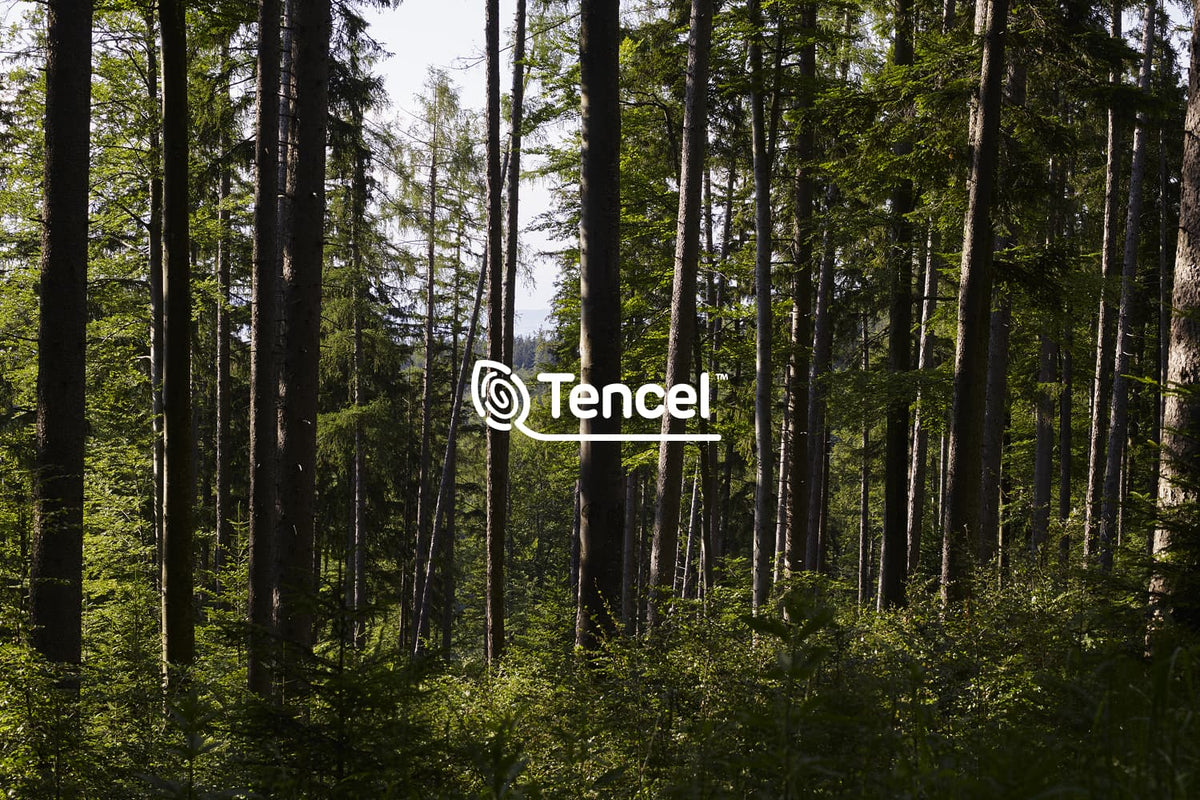
TENCEL™ is the Austrian company Lenzing's brand of textile fibres made from wood pulp. The brand covers two fibres: TENCEL™ Lyocell and TENCEL™ Modal. Both feel soft against the skin, are breathable and retain their quality even after repeated washing. At Undiemeister, we use TENCEL™ Modal as the foundation of our Mellowood fabric.
But what exactly is TENCEL™ fabric? How is it made, who is behind it and is it genuinely more sustainable than cotton or bamboo? In this article, we explain everything you need to know, including how to recognise genuine TENCEL™.
What is TENCEL™ fabric?
TENCEL™ is a cellulose fibre. Its raw material is natural because it comes from wood. The fibre itself is manufactured in a factory, where wood pulp is transformed into a fine, smooth filament. TENCEL™ therefore sits between two categories: it is neither a synthetic fibre like polyester nor a plant fibre harvested directly from the field, like cotton.
An important distinction: TENCEL™ is a brand name, not a type of material. The generic names of the fibres are lyocell and modal. If the label says TENCEL™, the fibre comes from Lenzing and has been manufactured according to the company's requirements for sourcing and production.
TENCEL™ Lyocell vs TENCEL™ Modal: what's the difference?
The TENCEL™ brand includes two fibres, each with its own manufacturing process and distinctive properties. For clothing worn directly against the skin, such as boxer shorts and T-shirts, the differences in softness and flexibility are particularly important.
| TENCEL™ Lyocell | TENCEL™ Modal | |
|---|---|---|
| Raw material | Wood pulp from responsibly managed forests | Primarily beechwood from responsibly managed forests |
| Production | Wood is dissolved in a solvent that is almost entirely recovered through a closed-loop process | An advanced process in which both pulp and fibre are produced by Lenzing in Austria, with chemicals largely recovered |
| Feel | Firm, smooth and cool | Exceptionally fine, supple and silky-soft |
| Typical uses | Jeans, bed linen, shirts | Underwear, T-shirts, loungewear |
We choose TENCEL™ Modal. The fibre is finer and more supple than lyocell, stays soft after washing and drapes comfortably against the body. Exactly what you want from boxer briefs and undershirts that you wear all day.
Lenzing: the Austrian company behind TENCEL™
Behind TENCEL™ is Lenzing AG, a company based in the Austrian town of Lenzing. Lenzing has been producing fibres from wood since 1938 and has grown into one of the world's largest manufacturers of wood-based textile fibres.
Lenzing manufactures its fibres in its own facilities, which must comply with strict European environmental and safety standards. The company continually invests in cleaner processes and the reuse of energy, water and chemicals. This makes a significant difference compared with many other viscose-like materials manufactured elsewhere without the same level of control or transparency.
What is TENCEL™ made from?
The foundation of TENCEL™ is wood pulp, but not just any wood. Lenzing sources its raw materials from forests certified according to FSC® (Forest Stewardship Council) or PEFC (Programme for the Endorsement of Forest Certification) standards. In practice, this means:
- Forests are replanted after harvesting;
- Biodiversity and local ecosystems are protected;
- The rights of local communities are respected;
- The origin of the wood can be traced back to its source.
The wood is first processed into pulp: a soft mass of pure cellulose. This pulp is dissolved and pushed through a spinneret, rather like a showerhead with extremely small holes. This produces long, fine fibres that are spun into yarn. The yarn is then knitted or woven into fabric.
The difference compared with many alternatives lies in how the processing chemicals are handled. At Lenzing, solvents and chemicals are largely recovered and reused rather than being released into the environment.

Is TENCEL™ sustainable?
Yes, particularly when compared with conventional cotton and standard viscose. However, when we talk about sustainability, we consider two aspects: how a fibre is manufactured and how long the finished product lasts.
From a production perspective, TENCEL™ offers advantages thanks to wood sourced from certified forests, efficient use of raw materials and the recovery of chemicals. It also does not require intensive agriculture like conventional cotton cultivation, which demands considerable amounts of water and large areas of farmland.
From a usage perspective, longevity is just as important. A fabric that wears out quickly leaves your wardrobe prematurely, regardless of how environmentally friendly its label sounds. TENCEL™ Modal retains its softness and shape even after repeated washing. A pair of boxer shorts that lasts longer is, by definition, more sustainable than an alternative that needs replacing more frequently.
Lenzing documents the origin and production of its fibres. This means you do not have to rely on vague marketing claims; you can check where the fibre comes from. Want to know which certifications our products carry? Explore our certifications.
How to recognise genuine TENCEL™ and distinguish it from imitations
Fabrics are increasingly being marketed as 'TENCEL-like' or simply as 'modal', without clearly stating where the fibre comes from. Sometimes the TENCEL™ name is even used when the fibre does not originate from Lenzing. In such cases, there is a risk that:
- The raw materials do not come from responsibly managed forests;
- Production does not follow the same environmental standards;
- Certification or traceability is lacking;
- The environmental impact is significantly greater than expected.
You can recognise genuine TENCEL™ by the full brand name accompanied by the ™ symbol on the label, for example 'TENCEL™ Modal'. Brands may only use this name with Lenzing's permission. Not sure? Ask the retailer about the fabric's origin and certifications. The difference between genuine TENCEL™ Modal and a generic viscose alternative goes beyond a logo: it is about documented control over sourcing and production.
TENCEL™ vs cotton and bamboo
Cotton and bamboo are the best-known alternatives for underwear. Here is how they compare with TENCEL™ Modal:
| TENCEL™ Modal | Cotton | Bamboo (viscose) | |
|---|---|---|---|
| Raw material | Wood from FSC/PEFC-certified forests | Cotton plant | Bamboo plant |
| Softness | Very soft and smooth | Soft, but may become rougher after washing | Soft |
| Moisture management | Absorbs moisture effectively and feels cool | Absorbs moisture but dries slowly | Absorbs moisture effectively |
| Shape retention after washing | Retains its shape | May shrink or stretch out of shape | Varies depending on quality |
| Environmental impact | Controlled process with extensive chemical recovery | Conventional: high water consumption and extensive land use; organic: lower impact | Highly dependent on the manufacturing process, which is often chemical-intensive |
Cotton is a strong fibre that feels familiar against the skin. When the quality is good, it contributes to a long product lifespan. However, 100% cotton can shrink, become rougher or lose its fit after repeated washing. Organic cotton represents a clear step forward: it is grown without harmful pesticides and has a lower impact on soil and the environment.
Bamboo is often presented as the obvious sustainable alternative because the plant grows quickly and requires little water. However, transforming a bamboo plant into soft fabric is more complicated than is often suggested. In most cases, bamboo is chemically processed into a viscose-like fibre, whose sustainability largely depends on the manufacturing process. Find out more in our article about bamboo clothing.
What does TENCEL™ Modal feel like to wear?
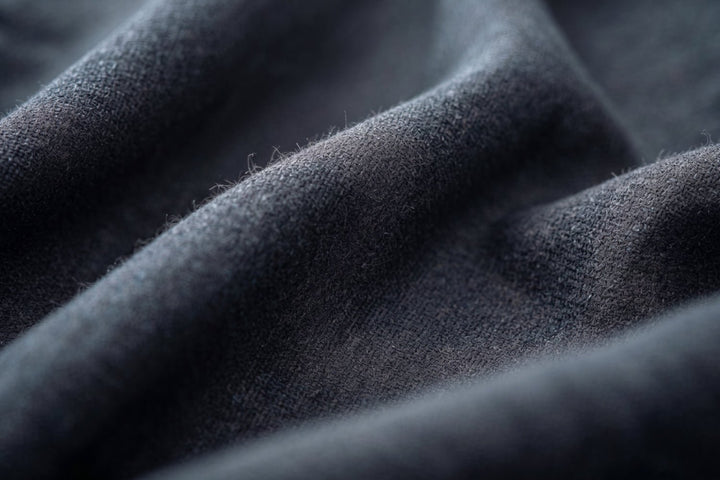
What makes TENCEL™ Modal particularly special is not something you notice in the factory, but when you wear it. The fibre has a smooth, slightly lustrous surface and feels cool against the skin. It absorbs moisture effectively and draws it away, so you are less likely to feel damp and clammy than when wearing synthetic fabrics.
TENCEL™ Modal also retains its shape and softness. While some fabrics become rough or lose their elasticity after a few months, TENCEL™ Modal remains comfortable to wear. And this is more than just a comfort benefit: the more comfortable a garment is, the longer you are likely to keep wearing it. Comfort and sustainability go hand in hand.
Why Undiemeister chooses TENCEL™ Modal for Mellowood
At Undiemeister, choosing the right materials is not an afterthought; it is where everything begins. That is why TENCEL™ Modal forms the foundation of our exclusive Mellowood fabric. Combined with other carefully selected fibres, it creates a fabric that stays soft, retains its shape and withstands everyday wear and washing. That means less wear and tear, fewer replacements and ultimately a lower impact.
Sustainability starts with the fibre, but ends with how long a product lasts. We chose TENCEL™ because it stays soft, retains its shape, and regulates moisture. The better a fabric performs, the longer you’ll wear it, and the more sustainable it ultimately is.
You will find TENCEL™ Modal in our TENCEL™ boxers, T-shirts and undershirts, women's TENCEL™ underwear and TENCEL™ socks.
In summary
- TENCEL™ is Lenzing's brand for lyocell and modal fibres made from wood pulp.
- The wood comes from FSC®- or PEFC-certified forests.
- Chemicals are largely recovered and reused during the manufacturing process.
- TENCEL™ Modal is soft, breathable, cool to the touch and retains its shape even after repeated washing.
- You can recognise genuine TENCEL™ by the full brand name with the ™ symbol. Vague descriptions such as 'TENCEL-like' tell you nothing about the fibre's origin.
Sustainability is not about a single claim, but about how every choice fits together: from the forest to your boxer shorts. That is why we choose TENCEL™ Modal. Not because it sounds good, but because it delivers.


Frequently asked questions
Is TENCEL™ een natuurlijke stof?
Krimpt TENCEL™?
Zweet je in TENCEL™?
Wat zijn de nadelen van TENCEL™?
Hoe was je TENCEL™?
Can't find your question?
Available now · weekdays 08:30–17:00